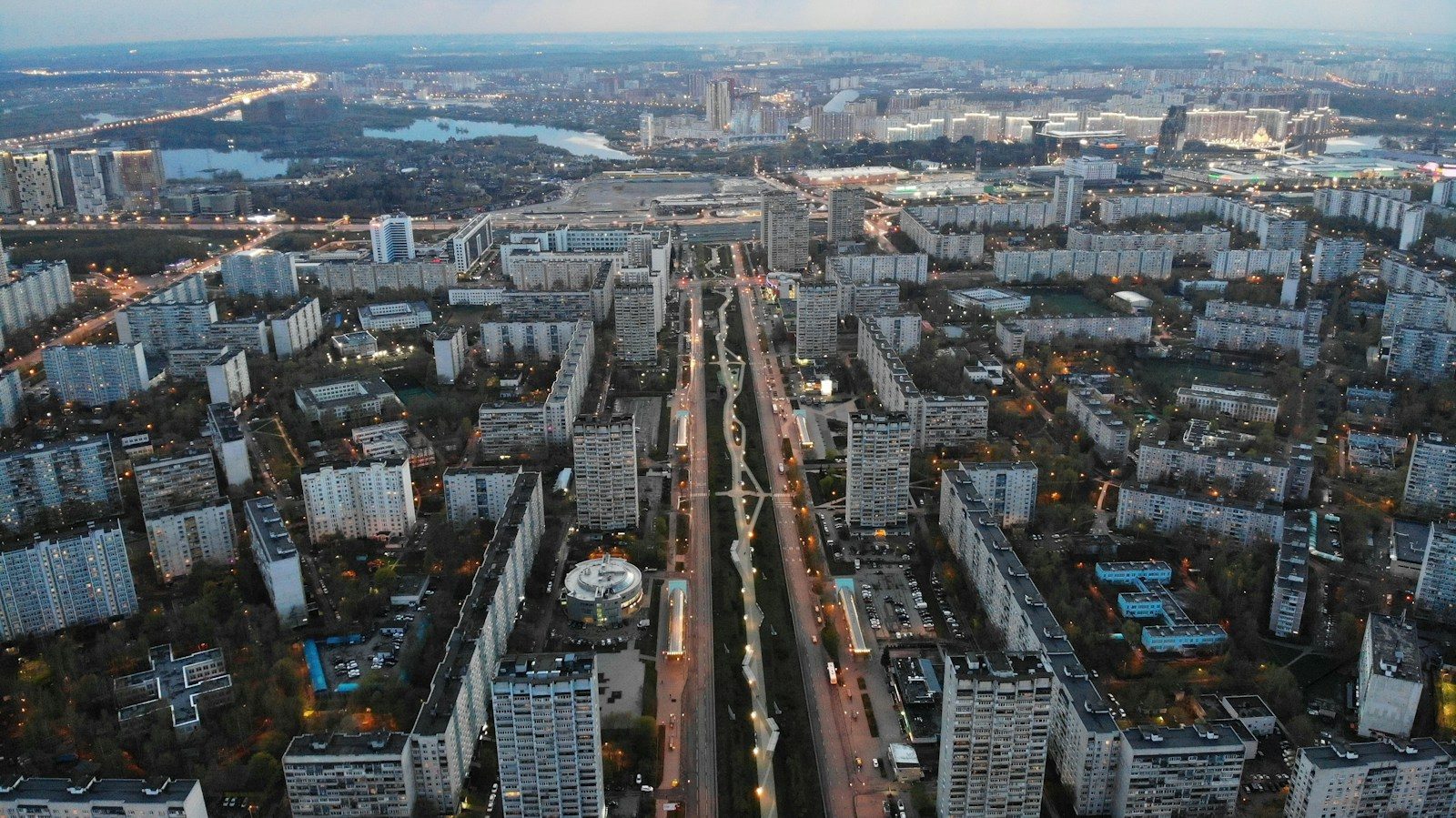
Russian real estate law is full of details that set it apart from what you might expect in other countries. Whether you’re eyeing a quiet dacha in the countryside, a trendy downtown apartment in Moscow, or a business space in a regional city, the rules are shaped by a unique mix of government registration, land use categories, and ownership restrictions. The process can get tricky, especially for foreigners or anyone new to the market, so it’s important to know how the legal system works before making any big decisions.
Understanding the ins and outs of russisches Immobilienrecht, especially if you’re considering a purchase, is key to a smooth experience. The law covers much more than just the sale or purchase agreement – it includes special rules about registration, land classification, and land use, each of which can seriously affect buyers, investors, and sellers alike. Without the right preparation, small mistakes can lead to major setbacks.
Registration is Key to Ownership
In Russia, official ownership of any real estate – whether an apartment, a house, or a plot of land – only happens when the transfer is recorded in the Unified State Register of Real Estate (EGRN). Signing a contract, handing over money, or even moving in does not make you the legal owner. Until government registration is complete, you may occupy the property, but you cannot sell, mortgage, or officially claim it as your own.
This makes the registration process absolutely essential. Buyers must carefully check documents: the seller’s title, encumbrances like mortgages or liens, the cadastral (land registry) information, and that the property matches the records held by the authorities. Any missing or inaccurate paperwork can slow down the process or jeopardize your rights as a future owner.
Treating Land and Buildings as Separate Entities
A common surprise for foreign property hunters is that Russian law views land and buildings as two separate things. You can own a house or a commercial structure but might not actually own the land underneath it. It’s common, especially in cities, for people to have rights to a building but only lease the ground from the state or city government.
This division is especially important for buyers in urban locations and for dacha owners. If you’re buying a property, you need to check not just who owns the building, but also how the land is classified and what legal rights exist for its use. Sometimes, the land underneath apartments or houses has restrictions or is not available for private ownership – even if the building is.
The True Nature of the Dacha
The dacha is much more than a holiday cottage. In Russia, a dacha might be a seasonal retreat, a family home, or even a productive garden. Legally, however, the way a dacha is registered plays a huge role in what you can do with it. Some dachas are on land classified for agricultural use, while others sit on land designated for housing. The specific land category will determine if you can rebuild, extend, or officially register the home.
If the land is misclassified or if the property use isn’t clear, trouble can follow. For example, you may be unable to connect utility services, make renovations, or even sell the property later on. Before committing to a dacha, it’s always wise to verify not only the status of the house, but also how the land is listed in the government registry.
What Foreign Buyers Need to Know
Foreigners can own most types of property in Russia, including apartments, houses, and business premises. However, there are clear exceptions. Non-citizens cannot buy agricultural land. Land in border regions or certain zones designated for national security is also off-limits to foreign owners. Even Russian companies with more than 50% foreign ownership face these same restrictions.
Foreigners can own an apartment in the heart of Moscow or a commercial office in a regional city without issue, provided the purchase respects land use and location rules. But if a foreign buyer wants a country house, it matters whether the land is agricultural or residential. A dacha on agricultural land, for instance, cannot be owned by anyone without Russian citizenship; it can only be leased.
There are also some very practical requirements: foreigners need a Russian taxpayer identification number (INN) to complete a purchase. Payment for the property must follow rules about using Russian bank accounts and reporting currency transactions. This adds another layer of complexity to the buying process.
Due Diligence Is a Must
Thorough due diligence is absolutely crucial in Russian real estate deals. Buyers must look at the property’s title history, cadastral data, debts or obligations tied to the property, and whether all co-owners agree to the sale. Russia’s history of privatization and multiple ownership can mean complex histories for many homes or apartments. If you ignore due diligence or rely on outdated documents, you could lose your claim or end up in a lengthy legal dispute.
It’s always wise to check every document and confirm every step – from the land category to the existence of any encumbrances, and from verifying seller authority to reviewing official approvals when buying in special zones.
Understanding Tax, Ownership Costs, and Residency
Buying property in Russia brings tax responsibilities. Every owner pays annual property tax, calculated on the cadastral (assessed) value of the real estate. For sellers, tax depends on how long they’ve owned the property. If the property was held for five years or more, Russian law allows a tax exemption on profits from the sale, even for foreign owners. If you sell sooner, capital gains tax applies, and there aren’t any special tax breaks for foreigners.
Practical questions also arise about moving money, since Russia requires payments in real estate transactions to go through licensed banks and insists on reporting currency movements. Legal and financial advice is essential for foreign buyers to stay compliant.
Russian Real Estate Law in Practice
From the outside, Russian property law may look confusing or even restrictive, but its logic is to protect ownership through official registration and to carefully manage the use of sensitive land. The separation of land and buildings, the special status of dachas, the willingness to let foreigners buy most properties – balanced by strict land use rules – makes the system unique and sometimes surprising.
In any Russian property deal, paperwork comes first. Whether you’re buying a city apartment or a country dacha, expert support and meticulous attention to documents are the best ways to keep your investment safe.
Those thinking of making a purchase or investment in Russia should focus first on understanding the legal environment, not just the home or building. The right preparation and advice can turn a complicated process into a secure, worthwhile experience.