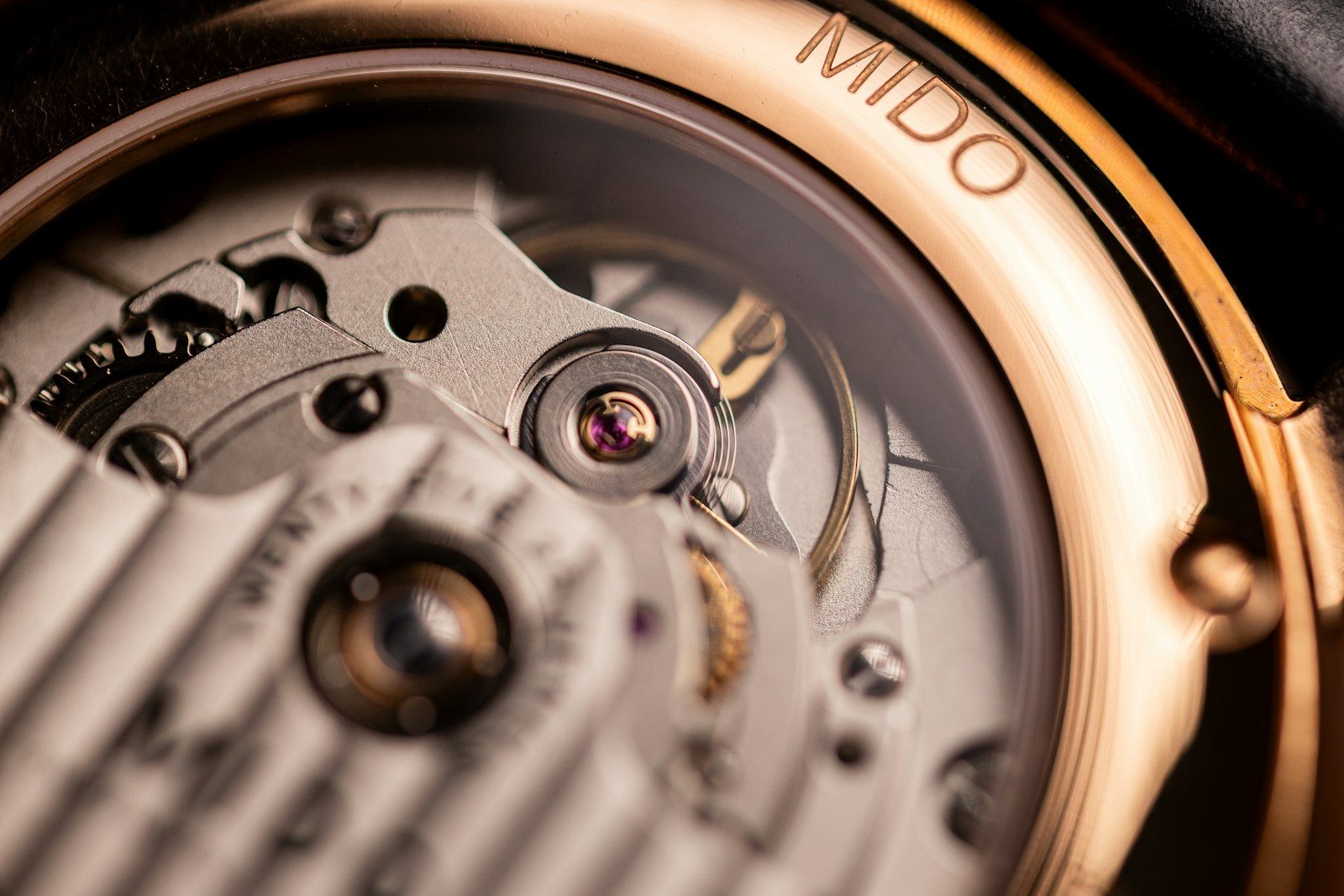
Many watch enthusiasts are attracted to fake Richard Mille timepieces because the genuine versions are incredibly expensive, instantly recognizable, and incredibly hard to access. With prices that reach into six figures, as well as limited release quantities, the originals are simply out of reach for most. This is where replicas come in, offering the bold style of Richard Mille watches for a much friendlier price tag. For those who admire the distinct look and artistic flair of the brand, replicas promise not only style but the feeling of belonging to an exclusive world by putting the RM silhouette on your wrist without a massive investment.
Why Is There a Market for Fake Richard Mille Watches?
Richard Mille is seen as the ultimate symbol of engineering, luxury, and status, making it a top target for imitation. Since official Richard Mille watches are priced way above what most people can realistically afford, a strong demand has grown for highly detailed replicas presented as “super clones” and “1:1” versions that closely mimic the real thing. These fakes give collectors a way to enjoy the style and aura of the brand without the steep price.
What Attracts Collectors to Replicas?
Collectors have various reasons for choosing replicas over the originals. For some, it’s all about practicality: a replica lets you show off the unique Richard Mille design – like the curved tonneau case and the skeleton dial – without constantly worrying about losing or damaging a watch worth a house. For others, it’s an opportunity to test-drive the bold, oversized Richard Mille look without a huge financial commitment. They can see if the watch actually suits their style or lifestyle, and make a decision about a potential future purchase.
There’s also the question of social signaling. Richard Mille watches are often spotted on the wrists of athletes and celebrities, symbolizing extreme exclusivity and wealth. Even a very convincing fake can send out a similar message from a distance. On websites and forums centered around replicas, sellers don’t hide this fact, often promoting the watches as a ticket to “walk with the style icons.” This makes it clear that what’s being sold is largely an image – and sometimes that’s enough for buyers.
Why Some Collectors Prefer Fakes Over Genuine Luxury
Not every collector is driven by a desire for authenticity. For a number of buyers, the main goal is to enjoy the instantly recognizable design at the lowest cost possible. For them, it’s not about the movement or the craftsmanship but rather about the watch’s visual identity and the social response it triggers. Many also see owning an authentic Richard Mille as impractical – whether due to cost, risk of theft, or simply feeling that the real product is too high-profile for daily life.
The widespread awareness of Richard Mille’s status has also made it a prime target for counterfeiters. As a result, today’s replica market provides fakes that are so detailed and convincing, they often blur the line between homage and outright forgery. For these buyers, access to style is more important than access to heritage.
The Real Differences Between Replicas and Originals
Although some replicas are called “super clones,” they simply cannot reach the level of quality, engineering, or finishing of a real Richard Mille. The actual Richard Mille watches use cutting-edge materials like Grade 5 titanium, carbon TPT, and advanced ceramics – elements that are costly and difficult to work with. Most replicas use cheaper alternatives, such as low-grade metals or resin shells that are just painted to resemble the original.
This goes beyond surface details. Richard Mille’s true appeal lies in its technical achievement: ultra-light cases, carefully engineered skeleton movements, and genuinely innovative structures. Replica makers can successfully imitate the overall look but fall short when it comes to the fine details of movement construction, the way the watch feels on the wrist, and the unique experience a real Richard Mille delivers.
Replicas as a Fashion Statement
Many buyers of Richard Mille replicas approach watches the way fashion fans approach designer-inspired clothes. They’re seeking the look, not the story or the rare workmanship behind the product. In this view, a fake Richard Mille becomes less of a timepiece and more of an accessory – something that conveys ambition, taste, or aspiration at a fraction of the cost.
This doesn’t erase the ethical or legal risk involved in buying replicas. But it does show why these watches continue to be in demand: as long as a luxury watch is considered a ticket to a higher social circle, there’ll always be those searching for a more accessible way in.
The Ethical Issues Around Fake Richard Mille Watches
Replica Richard Mille watches are not without controversy. They touch on legal issues like trademark infringement, fraud, and the risk of buyers being misled. While some collectors are open about preferring replicas for the style, problems arise when fakes are sold or passed off as authentic, especially to those who can’t tell the difference.
The replica industry deliberately creates confusion by using phrases such as “super clone” or “factory version,” making cheap copies seem more legitimate. That’s why experienced collectors stress the importance of verifying authenticity and buying only from trustworthy sources when looking for true luxury watches.
How Replica Sellers in Dubai Operate
A great example of how replicas are marketed online is the fake richard mille collection found on Dubai Watch Store’s website. These sellers attract buyers by offering a wide range of models, add-on services like warranty coverage, and promises of fast shipping. They compete not just on low price, but by making the buying process simple and offering options that mimic the variety of the genuine market.
What It All Means for Collectors
There’s a clear reason why replicas appeal to so many. For some collectors, wearing a convincing Richard Mille lookalike delivers visual excitement and a touch of prestige for a much smaller outlay. The trade-off is simple: you get the appearance and instant recognition, but lose out on craftsmanship, authenticity, and the unique cachet of owning the genuine article. Ultimately, it’s up to each collector to decide whether the look alone is worth it – or if a real piece of horological art is the only thing that truly satisfies.