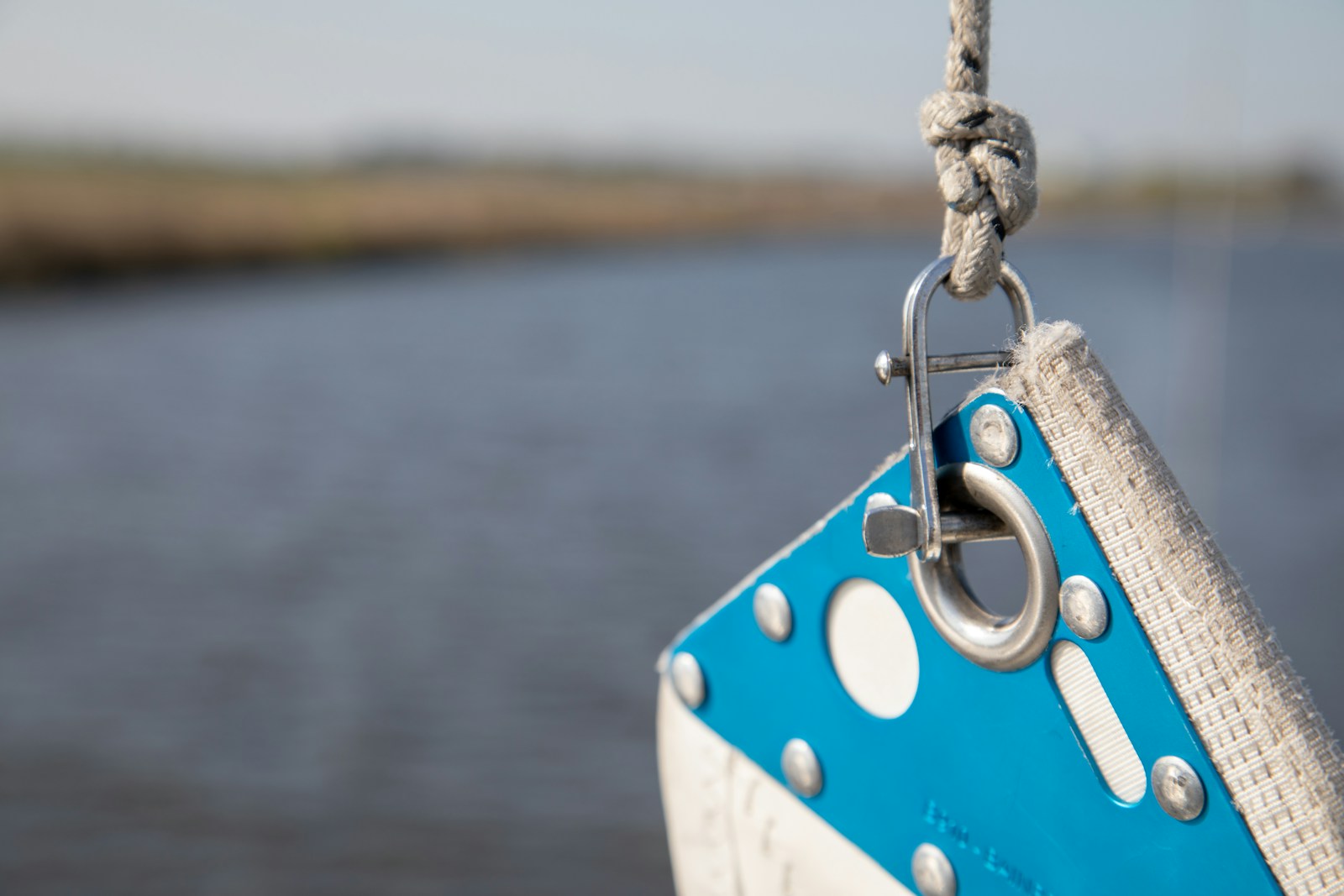
Step onto any active construction zone, dockside, or busy warehouse floor, and you’ll spot a tool quietly taking centre stage: the shackle. These sturdy, U-shaped metal ties play a vital part, acting as connectors that join slings, hooks, and cranes with the items being lifted or moved. Even though shackles can seem insignificant, understanding their role has become essential for anyone involved in lifting, rigging, or securing cargo—it’s not just technical knowledge for seasoned riggers, but for team leaders and operators, too.
This blog post will explain the basics of what shackles are, describe the difference between bow and D shackles, lay out where each one is used, and offer tips for picking the right one. We’ll also look at current challenges, what’s changing in shackle technology, and what safety really means in practice.
What Is a Shackle?
In the world of lifting and rigging, a shackle is a strong, metal connector shaped like a “U”. A removable pin or bolt holds the opening closed, allowing the shackle to link together hooks, slings, and loads that need moving. Each shackle is carefully designed to take a great deal of force. The term “shackle” also comes from much older use as a restraint, used for binding hands or feet, which explains why the name is often connected to limitation or confinement.
Nowadays, lifting shackles are built from robust alloys or stainless steel, produced to strict quality rules. This makes sure every size comes with a clearly stated weight limit and paperwork for certifying its safety.
A Short History
Shackles have their roots in early shipping and farming, where tough links were needed for chains, anchors, and ropes. With the rise of heavy industry, the need for sturdy, consistent, and certified shackles led to the development of today’s easily recognized bow and D shapes. Today, global manufacturers make these shackles following national and international standards, so you can trust their strength, reliability, and compliance with safety laws.
Different Types of Shackles
Two main body shapes rule the modern shackle world: the D shackle and the bow shackle. How they look and work determines which job suits them best.
D (Dee) Shackles
D shackles are slim and shaped like the letter “D”. The straight sides focus the pull on one strong main line. These are ideal if your pull is straight and you aren’t pulling off to the side, such as when lifting with a single chain or attaching right to an eye. D shackles work well in tight areas where space is limited, and they have high strength along their axis. You’ll often see them used on cranes, tools for winching, or at parts of buildings and factories where lifting points are snug.
Bow (Anchor or Omega) Shackles
Bow shackles are wider and round, creating a more open, curved loop. This space inside lets you connect multiple slings or handle some sideways pulling. Their shape is handy for lifting frames, loads with many legs or connections, and situations where you’re not always lifting upright. Bow shackles often appear offshore, in marine jobs, or on construction sites—especially where you can’t promise the load will always be straight. Leading brands also offer versions with different pin types for flexibility.
Bow vs. D Shackles: Quick Comparison
Here’s how D and bow shackles measure up against each other:
- Body Shape: D shackles are slim and straight, while bow shackles are rounded and wide.
- Best For: D shackles are strongest for straight, direct lifts, while bow shackles handle angles and multiple connections better.
- Uses: D shackles work nicely in tight spaces or with single attachments; bow shackles prove their worth with complex, multi-point rigging.
- Space: D shackles are the go-to in confined locations, but bow shackles offer more connecting area if you have the room.
- Side Loading: D shackles should stay in-line—side forces reduce their strength. Bow shackles are more forgiving with some sideways force, though you need to stick within safe limits.
Construction, Materials, and Certification
Modern shackles come in many forms and materials, each best for particular conditions. Most general-use lifting shackles are made from galvanized alloy steel, combining toughness and rust resistance, and are designed to recognised technical standards. There are also self-coloured forged shackles used in some British applications, and stainless-steel shackles prized for resisting rust in tough environments—though they typically handle lower maximum weights.
Pins matter, too—screw pins are handy for quick connections when things don’t need to move but aren’t too dynamic, while safety pin shackles have extra measures, like nuts or split pins, making them better in situations with heavy movement or vibration. Every trustworthy shackle comes with its rated safe load clearly marked and with supporting paperwork to prove it’s authentic and tested.
Everyday Applications
Shackles pop up anywhere secure lifting, pulling, or holding down is needed. You might see them used for:
- Lifting and hoisting equipment at building sites, mines, or factories.
- Fitting to spreader beams or lifting frames to share the strain over several points.
- Marine assignments like shackling moorings, anchoring boats, or handling underwater gear.
- Attaching winches, tow straps, or securing heavy vehicles curbed for moving or recovery.
A serious mistake in choosing the wrong shackle or using a low-quality one can be disastrous—so matching the shackle type and size to each job is key.
Safety, Ratings, and Myths
One of the most common (and dangerous) myths is thinking that if a shackle looks tough, it’s good enough for lifting. This couldn’t be further from the truth. Only shackles that have been thoroughly checked, marked for lifting use, and within their safe rated load can be trusted for load-bearing jobs.
Another everyday error is pulling a D shackle sideways—it’s only meant to lift straight ahead. Exposing it to angles can bend or even break it. Mixing metals or choosing the wrong material for harsh environments are other pitfalls that can lead to accidents.
Ongoing Challenges
Most shackle-related lifting failures aren’t mechanical; they come from people using the wrong part, failing to check a shackle before use, or not having enough proper training. Using non-certified shackles, exceeding their limits, or ignoring signs of damage are all too common—often causing breakdowns that better habits would prevent.
Cheap, poorly made shackles also pose risks. Global markets have introduced low-quality imitations that might lack proper certification, meaning you can’t be sure they’ll hold up under stress. As heavy lifting projects grow more complex, there’s growing pressure on both equipment and documentation.
Progress and Trends
On a brighter note, changes are making shackles safer and more versatile. Manufacturers are rolling out new designs that spread force better, which protects slings and extends equipment life—something especially important in marine and offshore work. Improved coatings and the use of advanced steels open the way for reliable shackles in places where corrosion or harsh conditions are a concern.
Digital technology means it is now easier to track situations: modern shackles often display clearer markings for identification, can be tagged to batches in digital systems, and better fit into routine inspection records. Training and updated industry standards are also supporting safer rigging choices and keeping safety top of mind.
Practical Tips for Selecting and Using Shackles
Keep these practical points in mind to stay safe:
- Choose the right shape—D shackles for straight lifts and bow shackles for jobs with angles or complex connections.
- Look at your conditions—go for galvanized steel for everyday usage, stainless steel for environments where rust is a worry, and always check compatibility for unique locations.
- Only use shackles with clear markings and the right paperwork.
- Pick the correct pin—if it’s a simple lift, a screw pin can be fine, but long-term or heavy vibration calls for a safety pin.
- Inspect before every job—watch for cracks, stretching, bent bodies, or damage; retire any questionable shackles immediately.
By reviewing your lifting gear regularly and keeping good records, you’ll reduce incidents and ensure every lift is both safe and efficient.
It’s easy to overlook the humble shackle, but these vital connectors are the backbone of lifting operations across countless industries. Respecting the differences between bow and D shackles, following safe working loads, and sticking to certified products all combine to support safe, successful projects. As sites and projects scale up, the companies and crews that commit to best practices—regular inspection, smart selection, and avoidance of bargain, uncertified gear—will lead the way in dependable and efficient lifting for years to come.